
Designing
Modern Data & AI
Systems
Welcome! I'm Sanjitha, a Data and AI Specialist with a passion for turning complex data into intelligent solutions. By combining analytical thinking and advanced AI techniques, I transform raw information into actionable insights and innovative systems that drive efficiency, accuracy, and future-ready performance.
Project done
Years of experience
Education
My academic journey and qualifications from esteemed institutions.

University of Moratuwa
MSc. Data Science and Artificial Intelligence
2024 – 2026
University of Moratuwa
BSc. Engineering (Hons)
2019 – 2023
Essential Tools I use
Discover the powerful tools and technologies I use to build intelligent, data-driven solutions and cutting-edge AI applications.

Python
Programming Language

SQL
Relational Databases

Power BI
Buisness Intelligence

Spark
Big Data Processing

Pytorch
Machine Learning

ML Flow
ML Operations

Docker
ML Deployment

Azure
Cloud Services

n8n
Workflow Automation

Langchain
LLM Applications

Chroma DB
Vector Databases

Neo4j
Graph Databases
Skills
A comprehensive overview of my technical expertise and professional capabilities.
My portfolio highlights
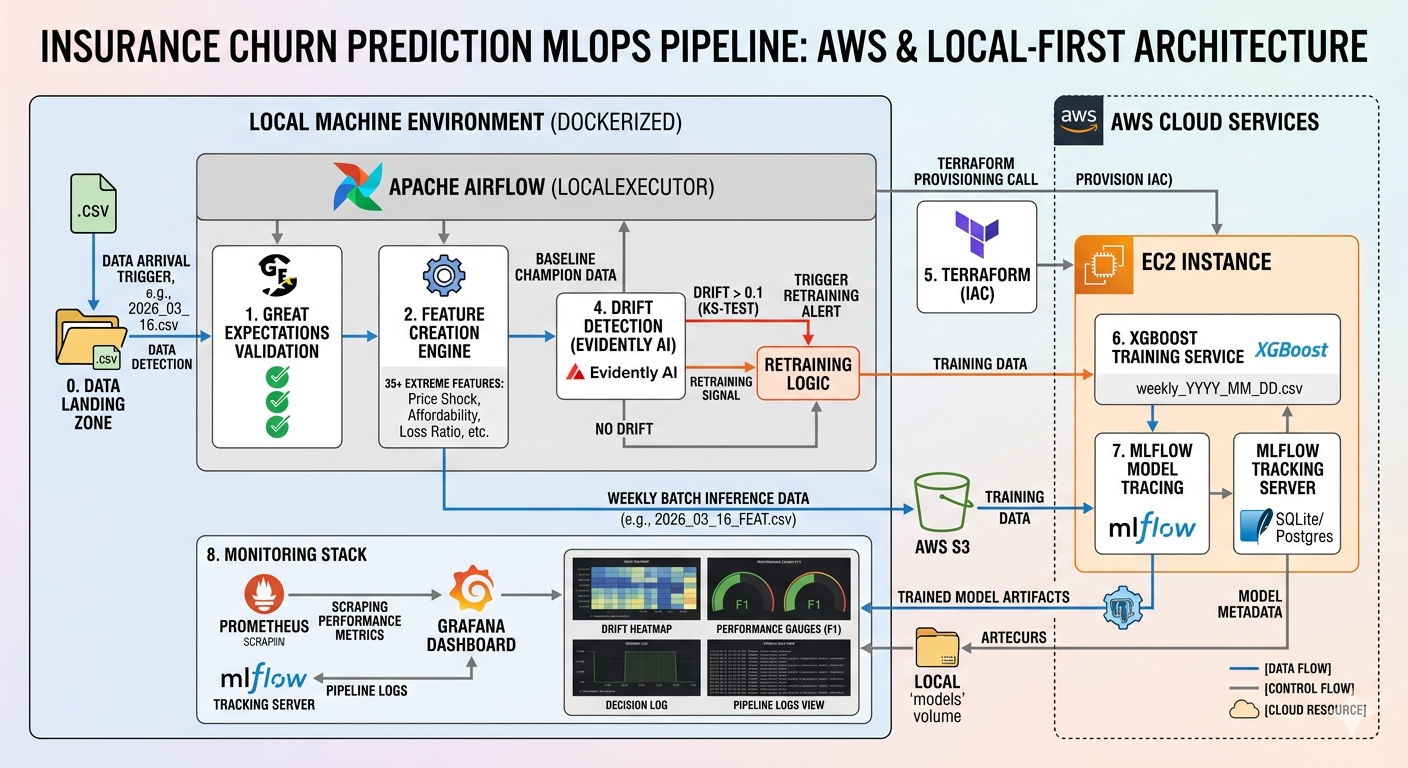
This Airflow-orchestrated MLOps pipeline automates insurance data ingestion, validation, and feature engineering. It utilizes Amazon S3 for storage and Terraform-provisioned EC2 for XGBoost training. By integrating MLflow tracking and Grafana monitoring, the system detects data drift, triggering automated retraining to ensure model accuracy amidst evolving customer behaviors.
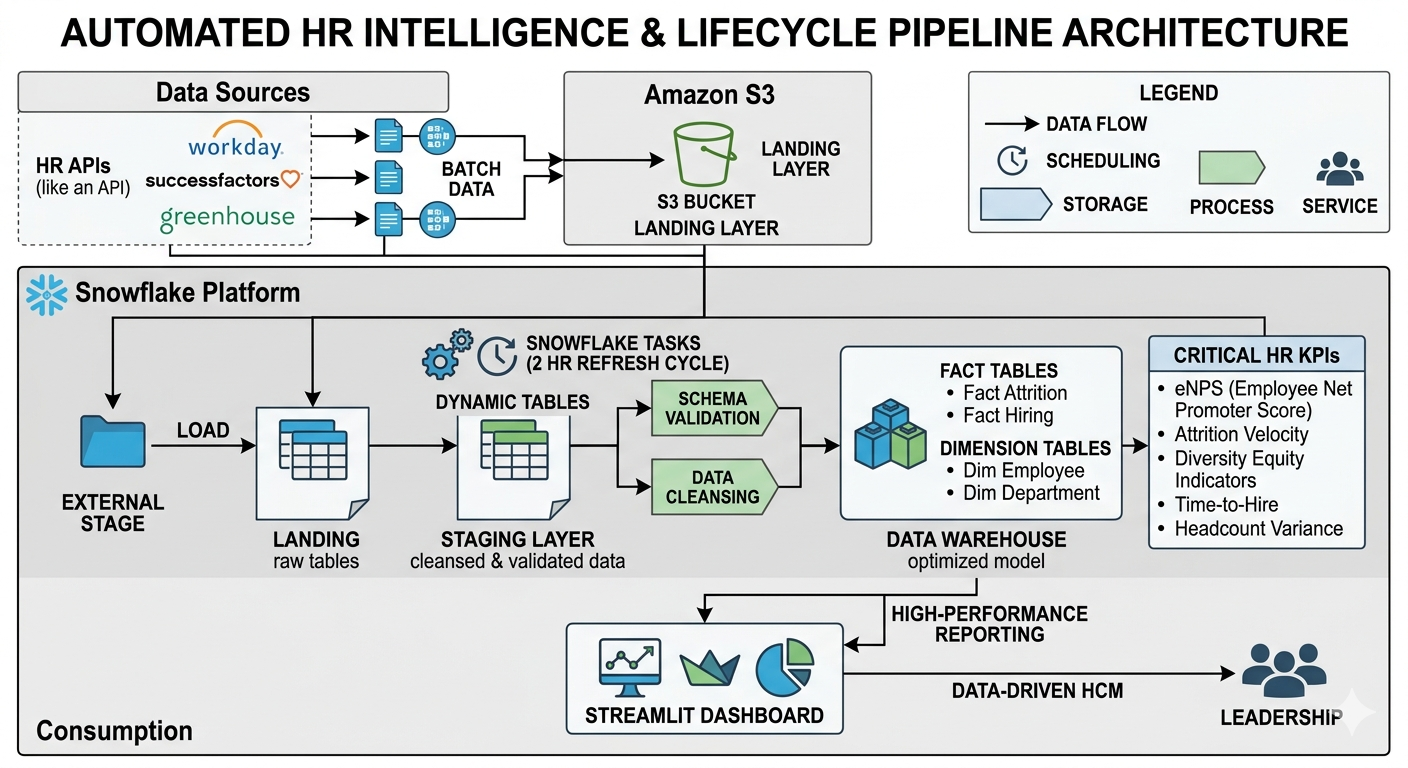
This automated ecosystem transforms raw HR data into organizational intelligence using a multi-tier Snowflake architecture. Orchestrated via Snowflake Tasks, the pipeline ingests data from S3 to calculate real-time KPIs like eNPS and attrition velocity. A Streamlit dashboard provides leadership with interactive, data-driven insights across the entire employee lifecycle.
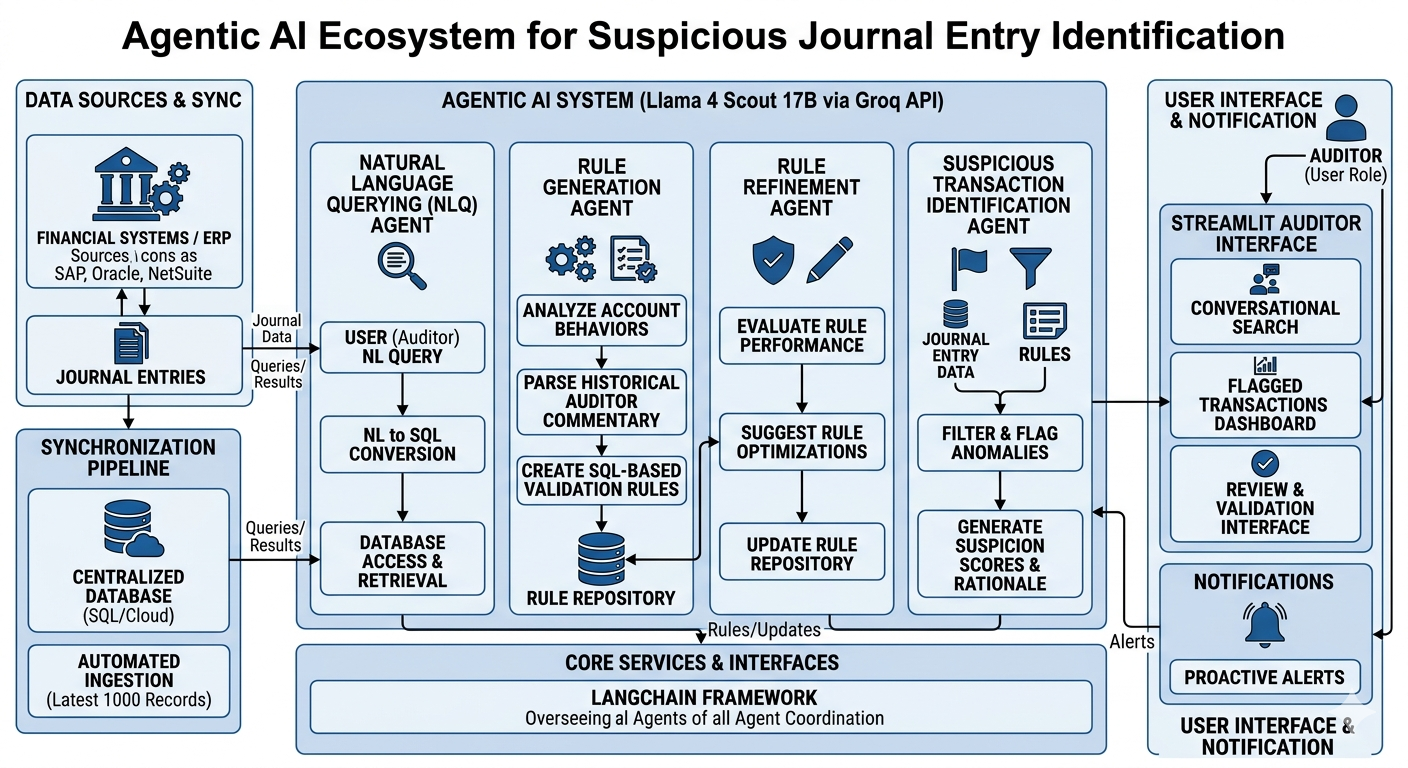
This LangChain-powered ecosystem utilizes Llama 4 Scout via Groq for real-time suspicious journal entry identification. Featuring a multi-agent architecture, it enables NLQ-driven insights and autonomous SQL rule generation. The Streamlit interface allows auditors to dynamically flag anomalies, transforming manual oversight into a proactive, high-speed financial integrity framework.
Certifications
Explore the professional certifications I've earned to stay at the forefront of technology and innovation.



Research
A collection of my research contributions and academic publications in the field of AI and Data Science.
Classification of Defects of Cotton Yarns Using Convolutional Neural Networks
S.H.A. Arachchi, P.H.K. Vidushka, S.N. Niles, R.P. Abeysooriya
The detection and classification of defects in cotton yarn are crucial in maintaining the quality of textile production. This is hardly getting attention in the literature due to the complexities and non-homogeneous features appearing in the cotton yarn. This study explores the application of transfer learning techniques in convolutional neural networks (CNNs) to classify yarn defects, including neps, thick and thin places, hairiness, and snarls, as well as identifying non-defective yarns. A dataset of 1,250 images was divided into five classes to evaluate three CNN models: ResNet-50, VGG-16, and Inception-v3. Inception-v3 achieved the highest validation accuracy at 98.8%, followed closely by VGG-16 with 98%, while ResNet-50 reached 77.2%. Inception-v3 and VGG-16 were successful in detecting complex yarn defects. The study further emphasizes the capability of CNNs to automate yarn defect identification by decreasing the processing time, by allowing CNN models to integrate with GPUs.
Predictive Modeling of Knit Fabric Shrinkage via ANN (Supervisor)
Muralidas Dhakshala, Sanjitha Hashan Amarathunga Arachchi, Jayasankar Janeni, S.A. Ariadurai
Predicting dimensional shrinkage in knitted fabrics remains a complex challenge due to the non-linear interplay of material and process variables. This study introduces an Artificial Neural Network (ANN) model designed to estimate shrinkage in 100% cotton and polyester-elastane single-jersey knits. Built using TensorFlow-Keras with a feed-forward backpropagation architecture, the model integrates twenty-three critical inputs, including yarn count, stitch density, tightness factor, and machine settings. By capturing data from the knitting, pre-setting, and finishing stages, the ANN provides a comprehensive framework that surpasses conventional predictive models in both accuracy and scalability. The research demonstrates that the trained ANN can rapidly forecast shrinkage using known parameters, enabling proactive quality control during production planning. This digital approach significantly reduces the need for resource-intensive physical sampling and post-compacting tests. Validated against independent samples, the model showed high correlation coefficients and minimal error rates. This integration of machine learning into textile manufacturing offers a robust solution for enhancing productivity and dimensional stability across various fabric structures.
AMulti-Agentic Framework for Identifying Suspicious Journal Entries
Dr. Thanuja Ambegoda, Sanjitha Hashan Amarathunga Arachchi
Financial fraud accounts for an estimated 5% loss in annual corporate revenue, severely undermining stakeholder trust and capital market stability. Undetected anomalous journal entries are a primary driver of these losses, yet traditional auditing methods and "black-box" machine learning models often fall short. Manual oversight is increasingly unscalable, while opaque algorithms lack the explainability required for regulatory compliance and forensic validation. To address these critical gaps, this research introduces an automated, explainable multi-agent AI system specifically engineered for journal-entry fraud detection. By leveraging a collaborative framework of specialized agents, the system achieves an impressive 90.48% overall accuracy. Beyond mere identification, the framework prioritizes transparency, providing auditors with clear reasoning for flagged transactions. This approach not only mitigates direct financial loss but also strengthens investor confidence and ensures sustainable corporate performance through proactive, high-precision financial oversight and robust regulatory alignment.